Still on the Fence? Let's Address That.
Fair questions deserve straight answers. Here are the ones we hear most.
We know buying a business is a big decision. These are the honest questions real buyers ask — and the honest answers they deserve.
Quick Facts
How do I know this is legitimate?
The inventory is real and physically located in the South Houston area. In-person inspections are not just allowed — they're encouraged. You can see every bead, every tool, every table, and every finished piece before you spend a dime. This isn't a stock photo listing. It's a real business with real assets you can touch.
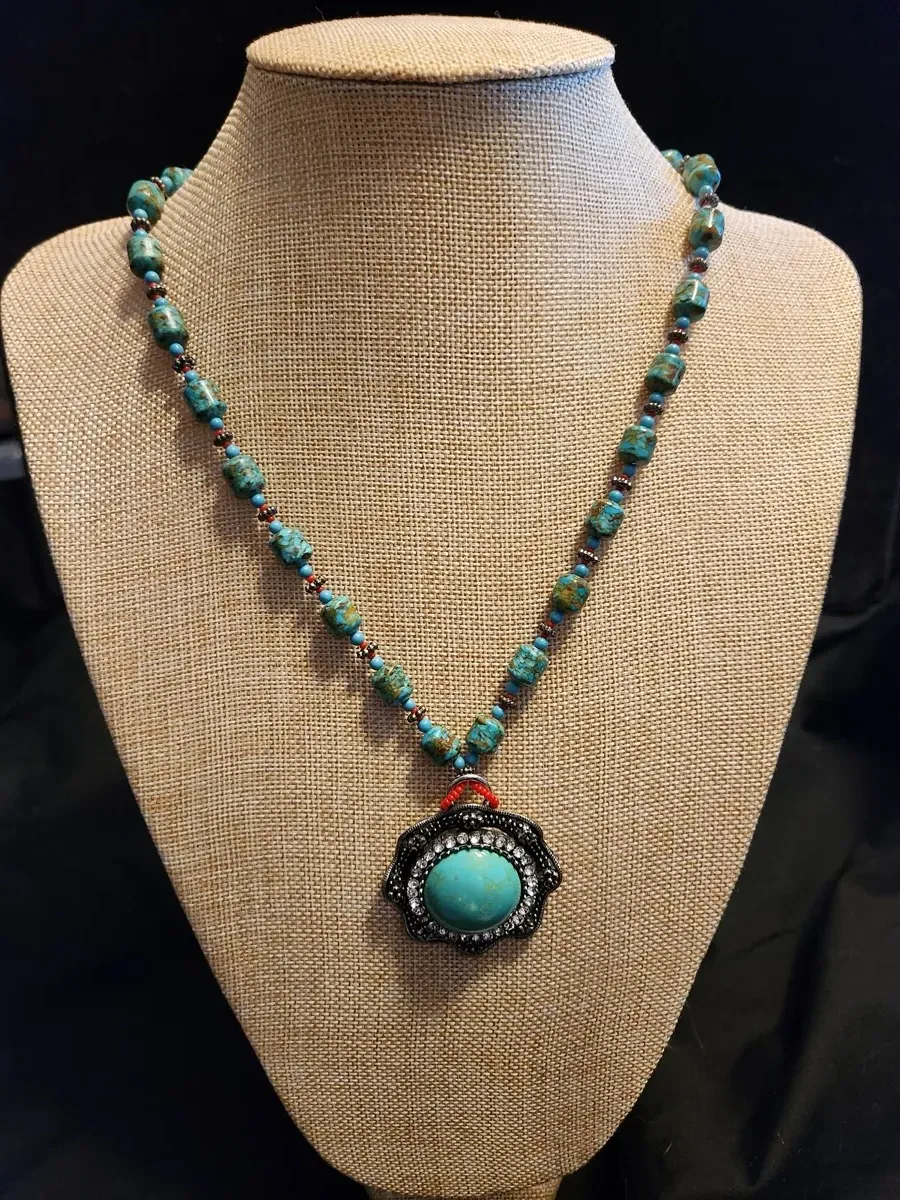
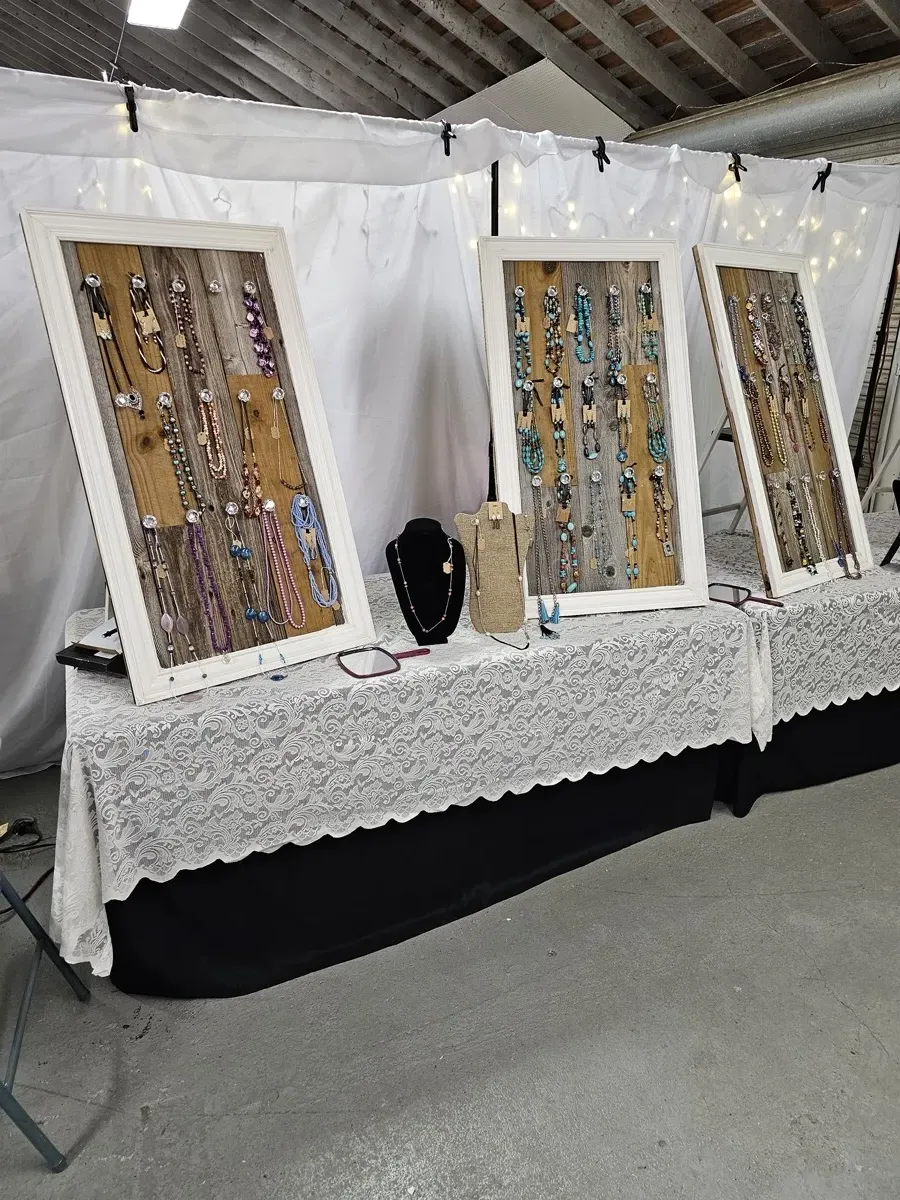
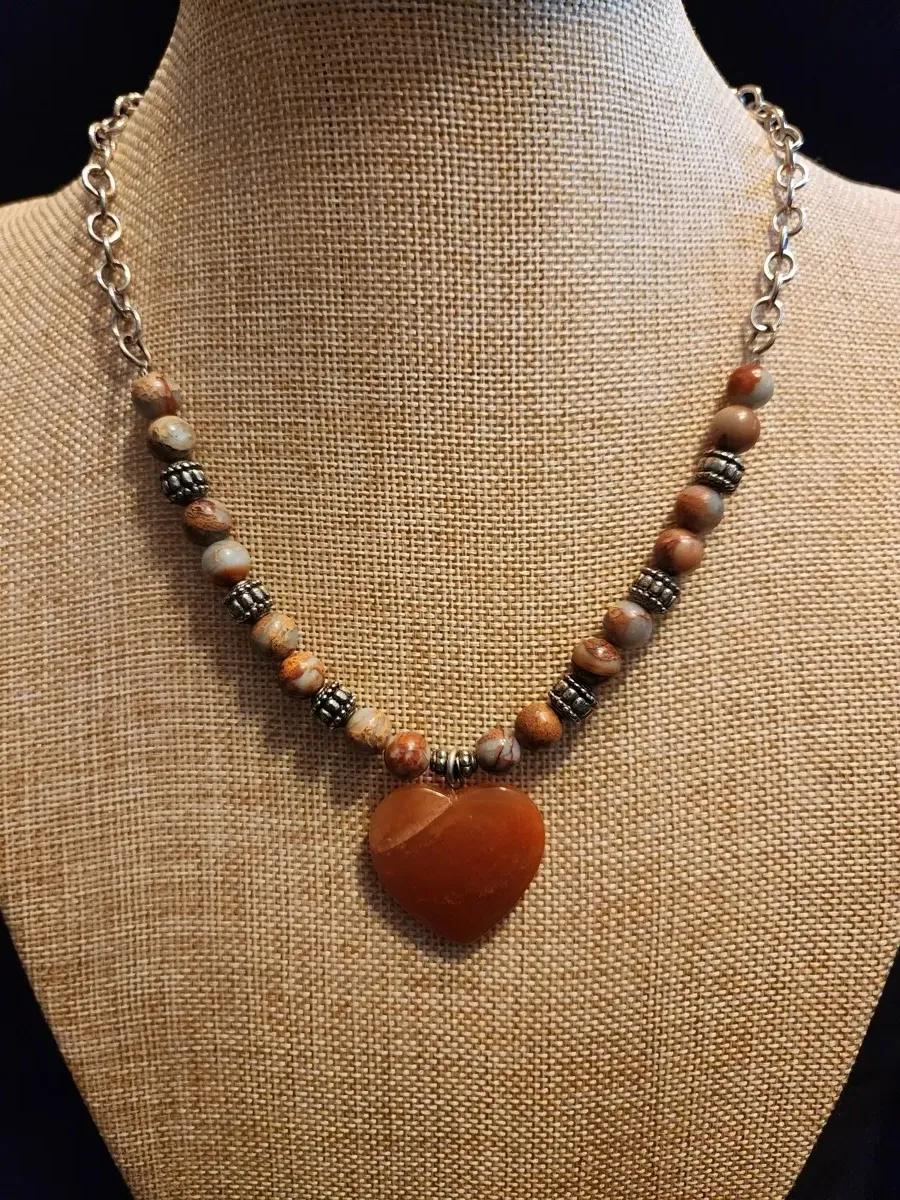
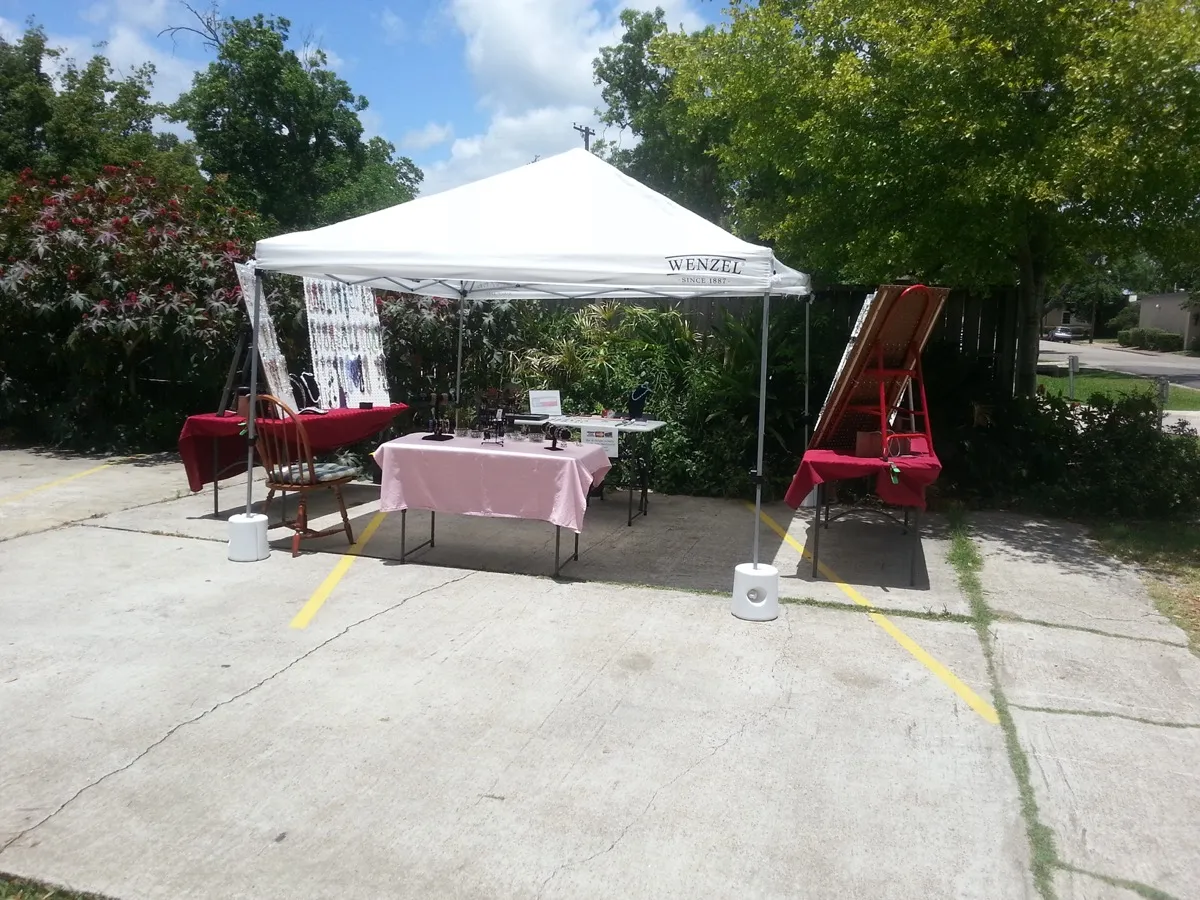
Every image on this website was taken of actual inventory. The booth photos are from real shows the seller has worked. The jewelry pieces shown are representative of what's included in the sale — along with hundreds more finished pieces and thousands of dollars in raw materials stored and organized for immediate use.
If you want to bring someone with you to verify — a jeweler, an appraiser, a business advisor — that's welcomed. The seller has nothing to hide and everything to show. Transparency is the whole point of an in-person viewing.
Why would someone sell a business that's making money?
Personal reasons. The seller is stepping away from the business — not because it isn't working, but because life circumstances have changed. The business is actively selling at the time of this listing. This is a motivated seller looking for the right buyer, not someone dumping a failed venture.
This is one of the most common questions buyers ask, and it's a fair one. The truth is straightforward: sometimes life takes you in a different direction. Health, family, relocation, a career shift — there are plenty of legitimate reasons someone might step away from something they built and still care about.
The proof is in the condition of the assets. If this were a business that had failed, you'd see depleted inventory, worn-out equipment, and a seller eager to take any offer just to be done with it. What you'll actually find is a fully stocked operation with maintained tools, organized materials, and a seller who cares enough to offer training so the next owner can succeed.
Is $18,000 negotiable?
Yes. The seller is open to reasonable offers. This isn't an auction and there's no bidding war — it's a direct conversation between buyer and seller. That said, lowball offers won't get a response. The asking price reflects the actual value of the physical assets alone, before accounting for training, relationships, or business history.
To put the number in perspective: if you tried to buy just the raw materials — the wire, the stones, the beads, the findings — at retail or even wholesale prices, you'd spend close to that amount. Add in the finished jewelry inventory, the professional show setup (tent, tables, displays, lighting, signage), and a full tool collection built over 12+ years, and the asking price is conservative.
The seller isn't trying to squeeze every dollar out of this sale. She wants to find the right buyer and make a fair deal. If you come to the table with a serious offer and a genuine interest in the business, there's room to talk. Reach out and start the conversation — you might be surprised how flexible things can be for the right person.
What if I don't know how to make jewelry?
Training is included in the sale. The seller has 12+ years of experience in wire wrapping, beading, and mixed-media jewelry techniques, and is committed to teaching the new owner. You won't be handed a box of supplies and wished good luck — you'll be trained on the craft, the business operations, and the show process.
The training covers the core techniques: how to select and prepare stones for wire wrapping, how to coil and weave wire into secure settings, how to design and assemble beaded pieces, and how to combine materials into mixed-media designs. You'll also learn the business side — how to price pieces for profit, how to set up a booth that draws people in, how to read a crowd at a show, and how to close sales without being pushy.
Most importantly, you'll have finished inventory to sell while you're still learning. You don't need to master every technique before you can start generating revenue. The existing stock gives you a runway — sell what's already made while you build your own skills. That's one of the biggest advantages of buying an existing business instead of starting from zero.
What if I already make jewelry?
Even better. You can skip the technique training and go straight to the business side — show logistics, wholesale relationships, pricing strategy, booth setup, and customer management. You'll be adding $25,000 in materials and a full professional show setup to your existing skill set.
If you're already a maker, you know how long it takes to accumulate this kind of inventory. The stones alone — turquoise, agate, carnelian, quartz varieties, and dozens of other natural stones — represent years of careful sourcing. The wire stock, bead collection, and findings inventory would take months to replicate, even if you knew exactly where to buy everything.
Think of it this way: you already have the talent. What this sale gives you is the infrastructure. A professional show setup that's road-tested. An inventory depth that lets you fill a booth without scrambling. Materials to work with for months or years. And the knowledge of someone who's been doing the show circuit for over a decade — which booths are worth the fee, which shows attract real buyers, and how to maximize your revenue per event.
What does the rebrand process look like?
The brand name "Bar M Designs" does not transfer with the sale. You'll be starting with a clean slate on branding, which means you can name your business whatever you want. The assets, training, and relationships transfer — the name is yours to create.
This is actually an advantage, not a drawback. You get to build a brand identity that's authentically yours from day one. Pick a name that reflects your personality, your style, your story. Design a logo that represents your vision. The products themselves don't carry brand-specific markings — they're artisan jewelry, and they'll sell under any name as long as the quality is there.
The practical steps are simple: choose a business name, register it with your state, get a sales tax permit (which you'll need for shows anyway), and you're in business. If you want to set up social media or a website, those are easy to do on your own timeline. The seller can advise on what's worked for marketing at shows — signage, business cards, booth presentation — based on years of experience.
What about the existing website?
The website does not transfer with the sale. What you're buying are the physical assets — inventory, materials, tools, equipment, and show setup — along with training and the seller's knowledge. You'll build your own online presence under your own brand.
This business was built primarily through in-person sales at craft and trade shows, not through online traffic. The website exists to support the sale listing itself. Your online strategy is entirely up to you — whether that means a simple Instagram page, a full e-commerce site, an Etsy shop, or no online presence at all.
Many successful show vendors operate with nothing more than a Facebook page and a phone number. Others build sophisticated online stores. The physical assets you're buying work regardless of your digital strategy. The jewelry sells because of its quality and craftsmanship, not because of a URL.
Can I do a payment plan?
Seller financing is open to discussion. The seller is willing to have a real conversation about making this work for the right buyer. Reach out and ask — the worst that happens is you get a straight answer.
The seller understands that $18,000 is a significant purchase, and not everyone has that sitting in a checking account ready to go. If you're serious about the business and can demonstrate that you're a committed buyer, there may be flexibility in how the payment is structured. This could mean a deposit with scheduled payments, a lump sum at a later date, or another arrangement that works for both parties.
What won't work is vague promises or open-ended timelines. The seller needs to know the deal will close. If you come with a clear plan — how much you can put down, when you can pay the rest, and what security you can offer — you'll get a fair hearing. The goal is a deal that both sides feel good about, not a financial hardship for either party.
What if something's wrong with the inventory?
Come see it. In-person review is encouraged before any commitment. The seller wants you to feel confident in what you're buying. If something doesn't meet your expectations, you'll know before any money changes hands — not after.
The inventory has been maintained as an active, working collection. Finished pieces are stored properly to prevent tarnishing and damage. Raw materials — stones, wire, beads, findings — are organized and labeled. Tools are clean and functional. The show setup (tent, tables, display cases, lighting) is in working condition and has been used recently at actual events.
During your viewing, you'll be able to handle everything. Open the bead containers, inspect the stones, test the tools, set up a display case. The seller will walk you through the full inventory and answer any questions about specific items, materials, or condition. If you want to bring a friend who works with jewelry or a professional appraiser, that's more than welcome. The point is for you to know exactly what you're getting.
How long will the training take?
Flexible, and it depends entirely on your experience level and learning style. If you're already a maker, you might only need a few focused sessions on the business side — show logistics, pricing, booth setup. If you're starting from scratch with the craft itself, expect a longer ramp-up that covers techniques, material selection, and design principles.
The training could be a few intensive sessions spread over a weekend, or it could happen gradually over several weeks as you work through different skills at your own pace. The seller isn't on a stopwatch. She's committed to making sure you actually feel ready — not just checking a box and walking away.
Some buyers want to shadow the seller at an actual show before going solo. That's on the table too. Seeing how a booth runs in real time — the setup process, how to engage customers, how to handle the rush and the lulls — is worth more than any amount of classroom instruction. The training is designed around what you need, not a rigid curriculum.
What if I want to sell online instead of at shows?
The physical assets work for any sales channel. Nothing about this inventory is tied to a specific selling method. The finished jewelry, raw materials, and tools are yours to use however you want — whether that's Etsy, your own website, social media marketplaces, or a combination of everything.
Online selling has its own learning curve — product photography, listing optimization, shipping logistics, customer service at a distance — but those are skills you can develop over time. The advantage you have is that you're not starting with an empty shelf. You have hundreds of finished pieces ready to photograph and list on day one, plus enough materials to keep creating new inventory for months.
Some buyers may want to do both: sell online as a steady baseline and do shows seasonally for the higher-margin, face-to-face sales. The show setup is included either way, so you have the option even if you don't plan to use it immediately. The point is that you're buying assets, not a business model. How you sell is entirely your call.
Is this a franchise or licensing deal?
No. This is a straightforward asset sale. You own everything outright. No royalties, no ongoing fees, no restrictions on how you run your business. Once the sale closes, the assets are yours — full stop.
There's no parent company, no licensing agreement, no territory restrictions, and no obligation to buy supplies from a specific vendor. You can source your own materials, set your own prices, choose your own shows, and run the business exactly the way you want to. The seller has no ongoing financial interest after the sale is complete.
This simplicity is intentional. The sale is clean — physical assets change hands, training is provided, and then you're an independent business owner making your own decisions. No strings attached.
What kind of revenue does the business generate?
The seller can discuss specific numbers in a private conversation with serious buyers. Revenue depends on show frequency, pricing strategy, and effort level. This is not a passive income play — it's an active maker business where your income is directly tied to how much you put in.
What can be said publicly: artisan jewelry at shows typically sells at strong margins because customers are buying directly from the maker with no middleman. Booth fees for most regional shows range from $50 to $300 depending on the event, and a good show day can return several multiples of that. Sellers who work the show circuit consistently — booking 2 to 4 shows per month during peak season — can build meaningful income.
The seller isn't making income claims or projecting future earnings, because your results will depend on your effort, your market, and your skills. But the economics of handmade jewelry sold direct-to-consumer are well understood, and the margins are real. If you want to talk specifics, reach out — that conversation happens one-on-one, not on a website.
Can I bring someone to the viewing?
Yes. Bring a partner, advisor, or anyone whose input you trust. The more eyes on the assets, the better. The seller wants you to feel completely confident in what you're buying, and having someone else there to ask questions and offer perspective only helps that process.
Some buyers bring a spouse or business partner who'll be involved in running the business. Others bring a friend who works with jewelry or crafts to evaluate the quality of the materials and tools. A few have brought a general business advisor or accountant. All of that is welcome.
The viewing is your chance to kick the tires. Ask every question you can think of. Handle the inventory, inspect the tools, test the booth setup. The seller will give you as much time as you need and answer honestly. Buying a business should feel like an informed decision, not a leap of faith.
Still not sure? Come see it in person.
Real pieces. Real booth. Real business.
If You've Read This Far, You've Done Your Due Diligence.
The next step is a conversation. No pressure, no obligation.
Contact the Seller