About This Business
More than 12 years of handcrafted jewelry, real customers, and a proven sales model — built one piece at a time.
The Business
Bar M Designs is an active artisan jewelry business specializing in wire wrapping, beadwork, and mixed-media pieces. Every item is handcrafted using natural stones, crystals, wire, and beads — no mass production, no dropshipping, no shortcuts.
This is not a side project or a hobby shop with an Etsy listing. It is a real business with real customers, real inventory, and a physical presence at events across the region. The seller has spent more than 12 years building it — developing techniques, sourcing materials, showing up at craft and trade shows, and earning repeat buyers through quality work and personal relationships.
There's something deeply satisfying about this kind of work. Selecting a rough stone and imagining the piece it'll become. The meditative focus of coiling wire around a cabochon, each wrap locking the stone more securely into place. Choosing the right beads to complement a centerpiece — getting the color balance, the weight, the drape just right. And then there's the moment at a show when someone picks up a piece, turns it over in their hands, and you can see on their face that they've found something they didn't know they were looking for. That's the heart of this business.
The craft itself is endlessly varied. No two stones are the same shape, so no two wire wraps can be identical. Beading patterns that look simple on paper require patience and precision to execute well. Mixed-media pieces — combining wire, beads, chain, and found elements — push creative boundaries in ways that keep the work interesting year after year. This is a business that rewards curiosity and craftsmanship in equal measure.
The asking price is $18,000, which is backed by $25,000 in physical assets: finished jewelry, raw materials, tools, and a full professional show setup.
How It Makes Money
Craft & Trade Shows
The primary revenue channel. The seller has years of experience working shows — booking booths, setting up professional displays, and selling directly to buyers who value handmade work. The full show setup is included in the sale.
The best-performing shows tend to be juried craft fairs, holiday markets, and regional artisan festivals where customers come specifically to buy handmade goods. These attract buyers who understand the value of handcrafted work and are willing to pay fair prices. County fairs and large general-audience events can also do well, especially during holiday season when people are looking for unique gifts.
Booth fees typically range from $50 for a small local market to $200-$300 for a larger juried show or multi-day festival. A strong show day can return several multiples of the booth fee in sales. The key is knowing which shows are worth your time and money — and that knowledge is part of what transfers with this sale. The seller has worked the regional circuit for over a decade and knows which events consistently draw buying customers.
The included show setup — a professional tent, tables, display cases, risers, lighting, and signage — means you're not starting with a folding card table and a prayer. You'll show up looking like a seasoned vendor from your very first event.
Wholesale Sales
Pieces have been sold to boutiques and retail buyers through show connections. Wholesale relationships were built organically over years of in-person selling and aren't dependent on a platform or algorithm.
These relationships typically start at shows. A boutique owner walks by your booth, sees something that fits their store's aesthetic, and asks about wholesale pricing. Or a repeat customer mentions they own a shop and would love to carry your work. It's a natural extension of selling in person — you're already displaying your best pieces, and the right retail buyer recognizes the opportunity.
Wholesale margins are lower per piece than direct-to-consumer sales, but the volume makes up for it. A single wholesale order can move more inventory in one transaction than a full day at a show. And once a boutique sees that your pieces sell well with their customers, reorders become a reliable, recurring income stream without the cost of a booth fee or a day on your feet.
Word of Mouth & Referrals
Repeat customers and personal referrals make up a consistent part of sales. When people buy a piece they love, they come back — and they send friends. That kind of loyalty is earned, not bought.
Word-of-mouth compounds over time in a way that no advertising can replicate. A customer buys a necklace at a show and wears it to work. A coworker asks where she got it. That coworker shows up at the next show and buys two pieces — one for herself, one as a gift. The gift recipient calls to order a matching bracelet. One sale turns into five, and none of them cost a penny in marketing.
After 12+ years, the seller has built a network of repeat buyers who follow her show schedule, request custom pieces, and actively refer new customers. That kind of organic reputation is the most valuable marketing asset a small business can have — and while the contact list doesn't formally transfer, the techniques for building those relationships absolutely do through training.
The Products
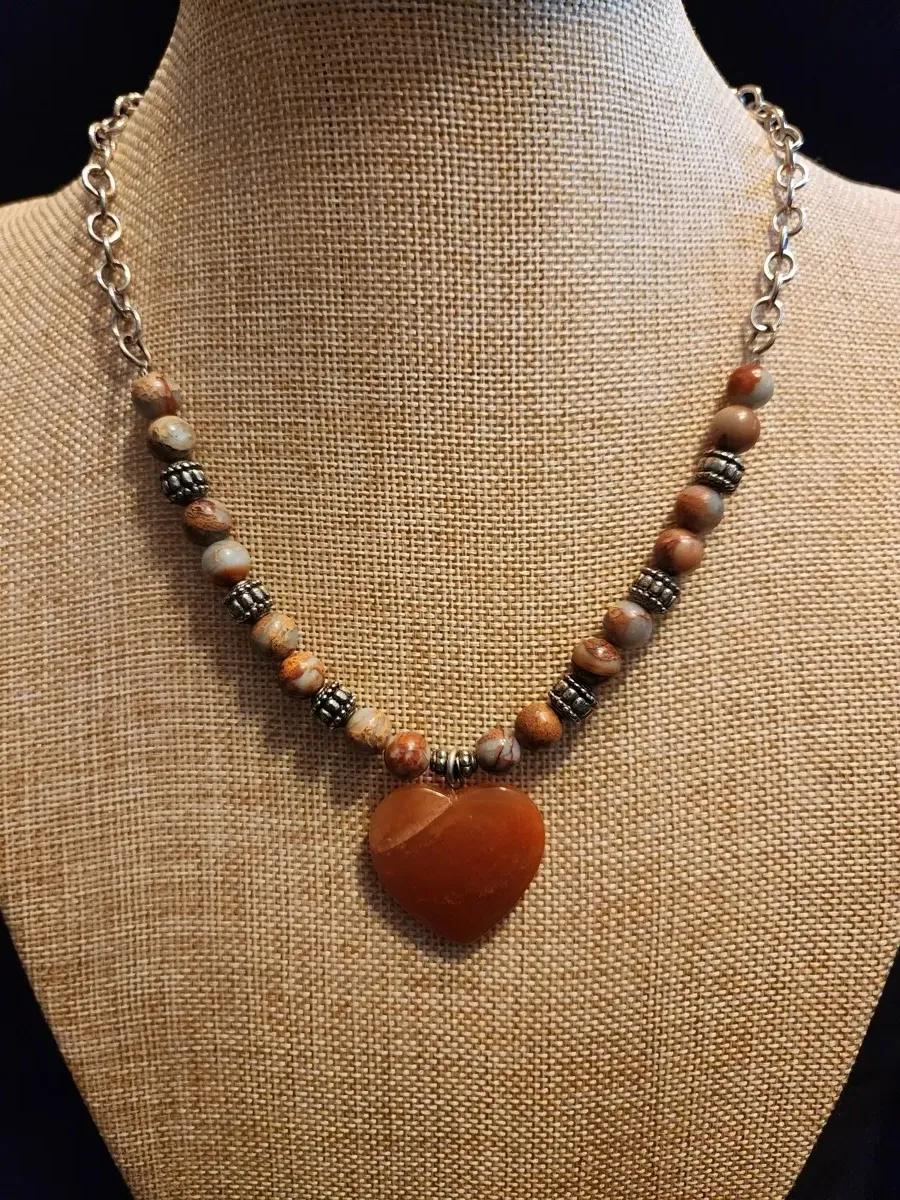
Wire Wrapped Jewelry
Natural stones and crystals set in hand-coiled wire — no adhesive, no molds, no two pieces alike. Every wrap is done by hand, making each piece structurally unique. This is the signature style of the business.
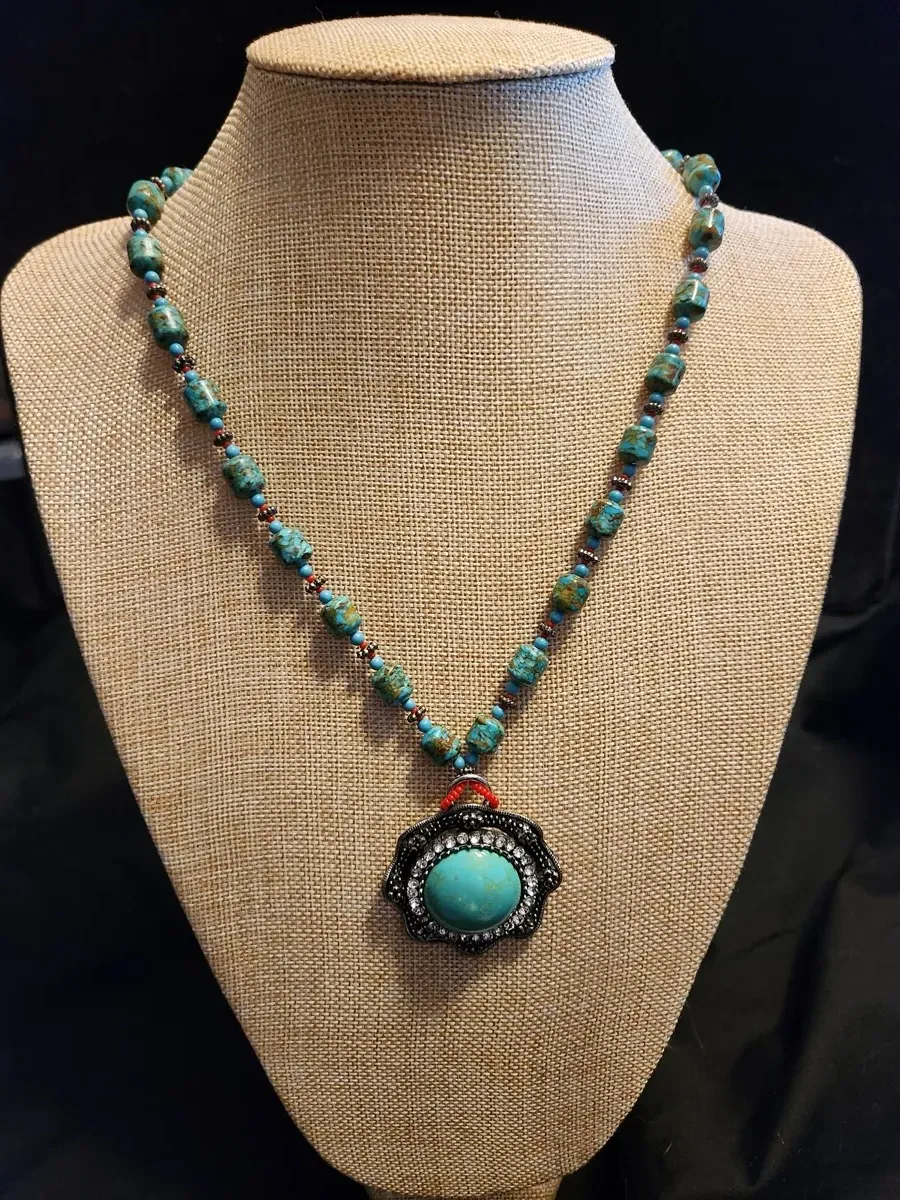
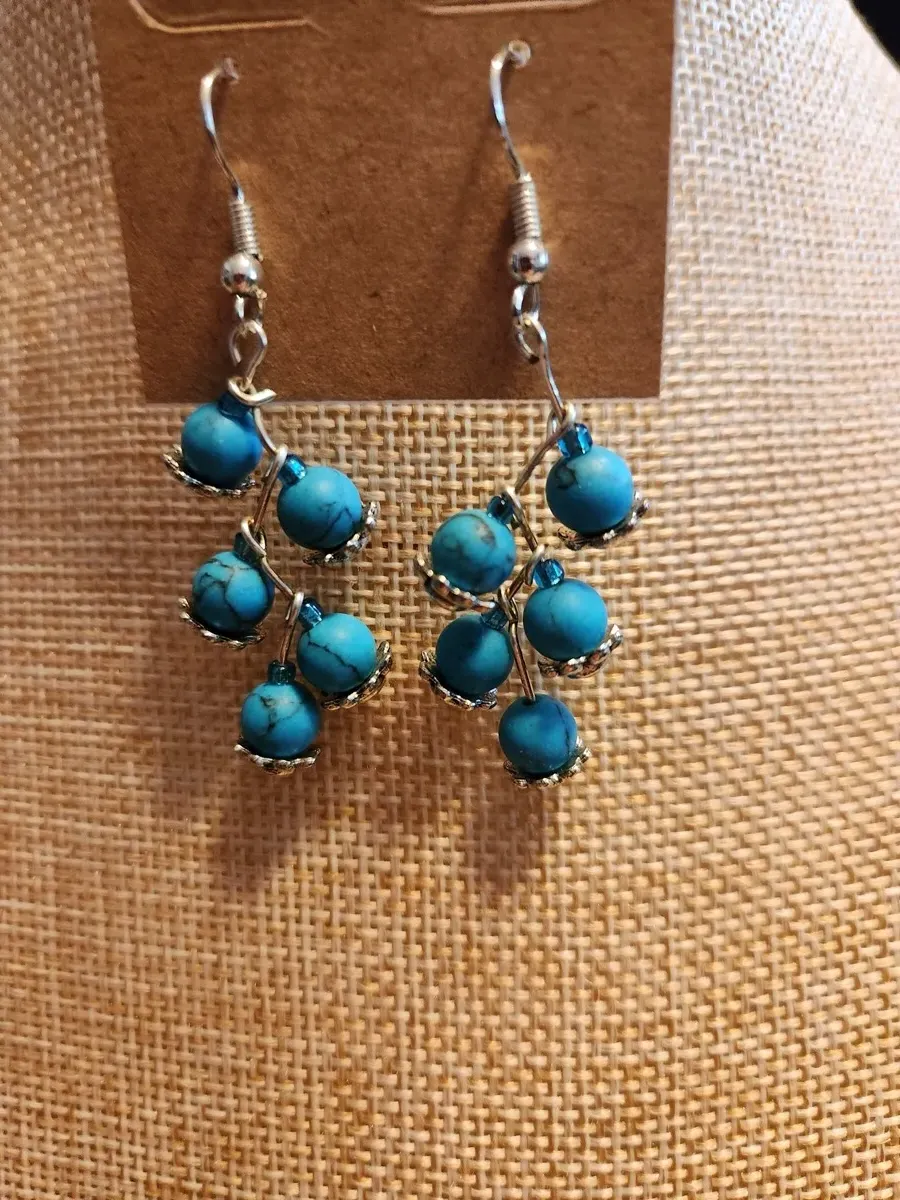
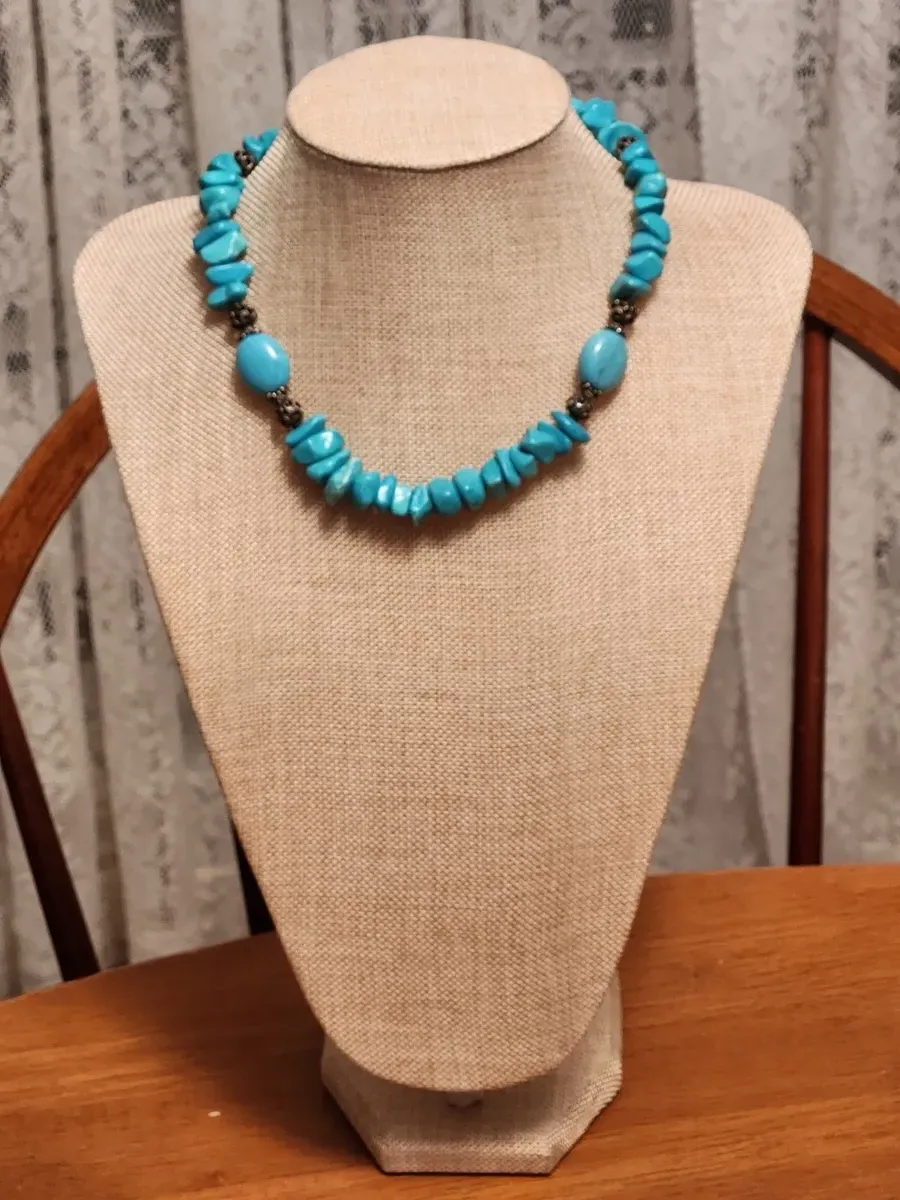
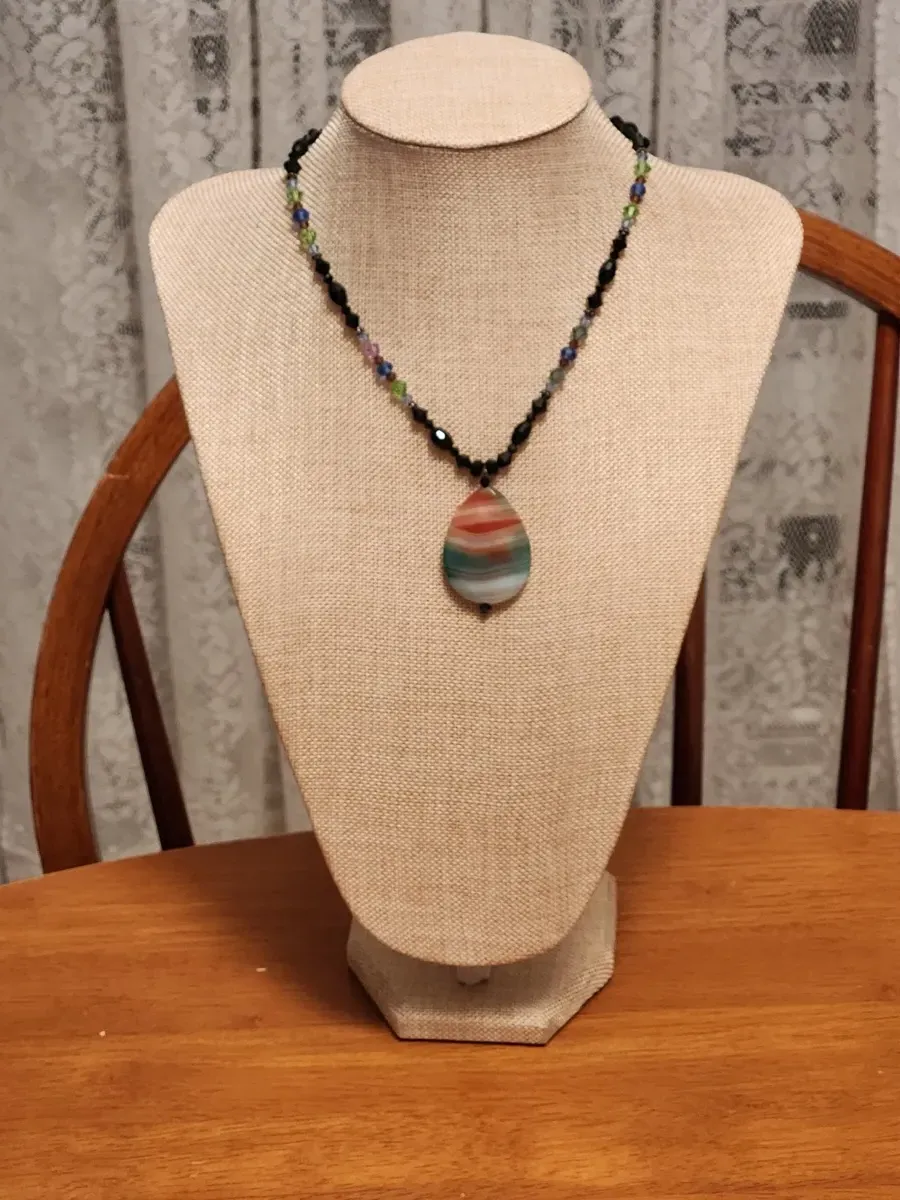
Beaded Jewelry
Intricate beadwork using seed beads, glass beads, and gemstone beads. These pieces range from delicate single-strand necklaces to bold multi-row statement designs. The bead inventory alone represents a significant portion of the raw materials included in the sale.
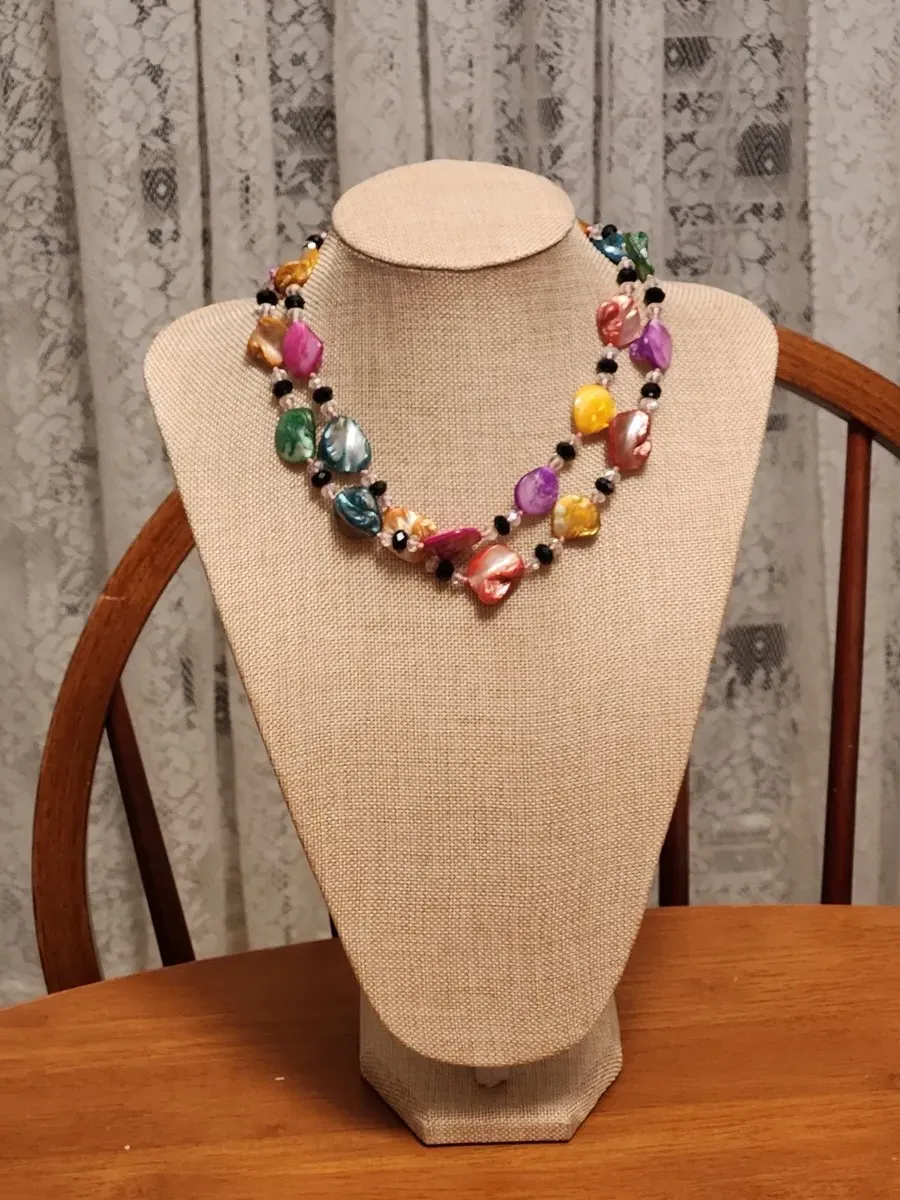
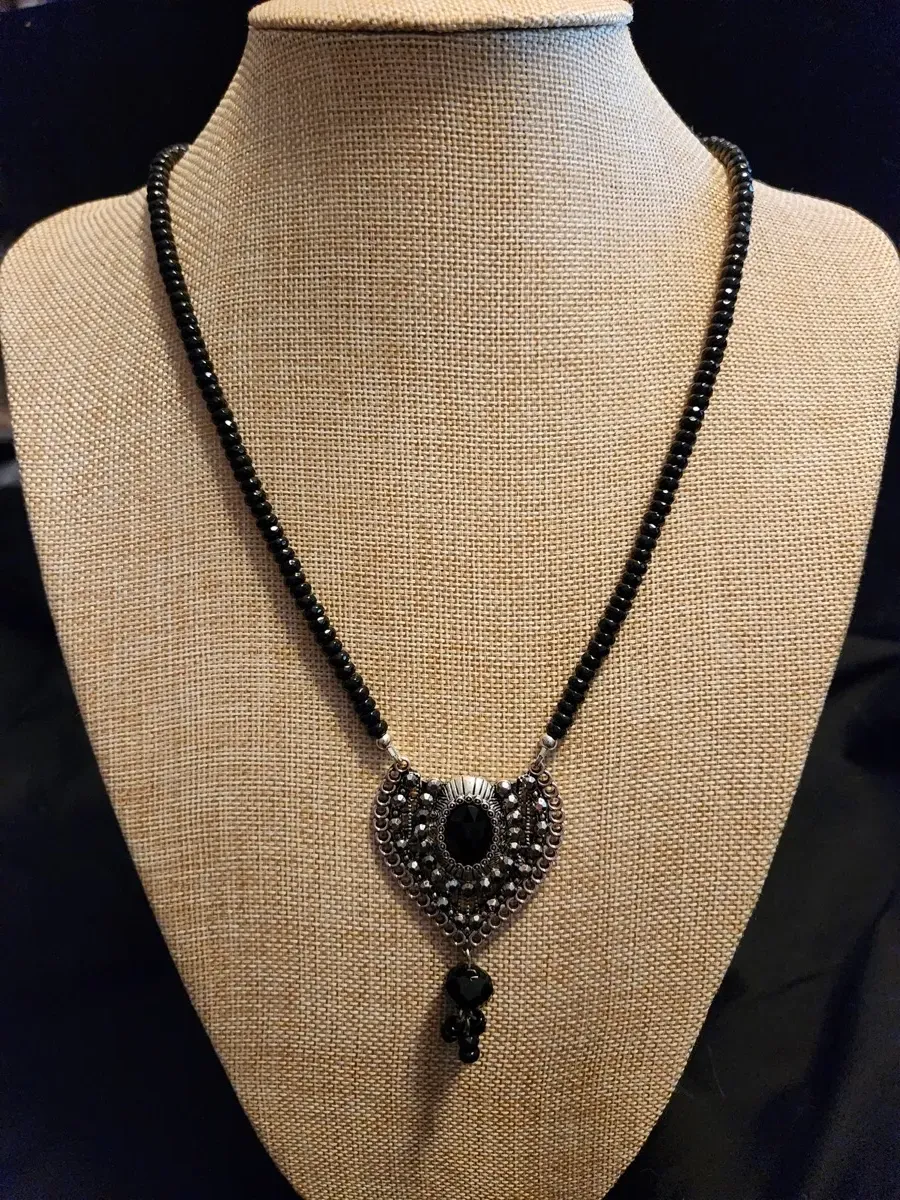
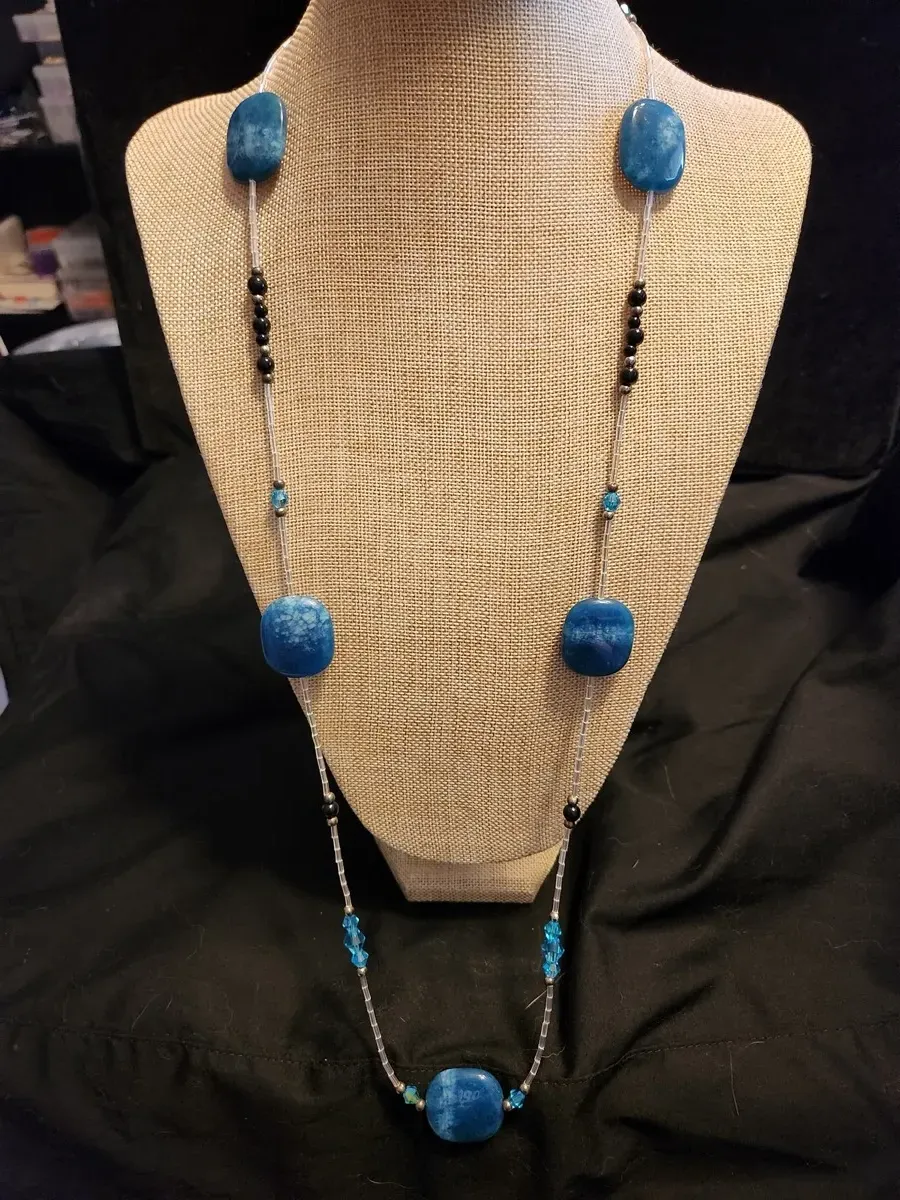
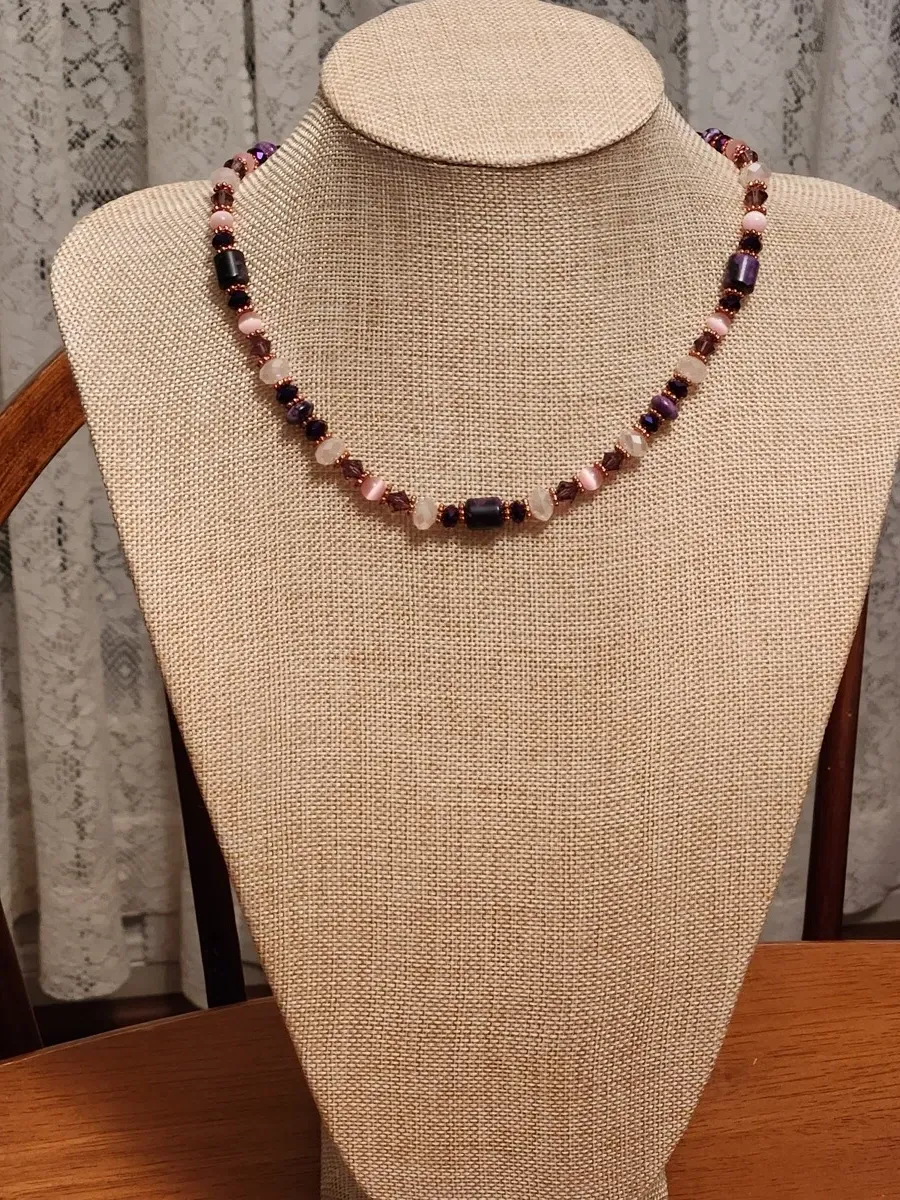
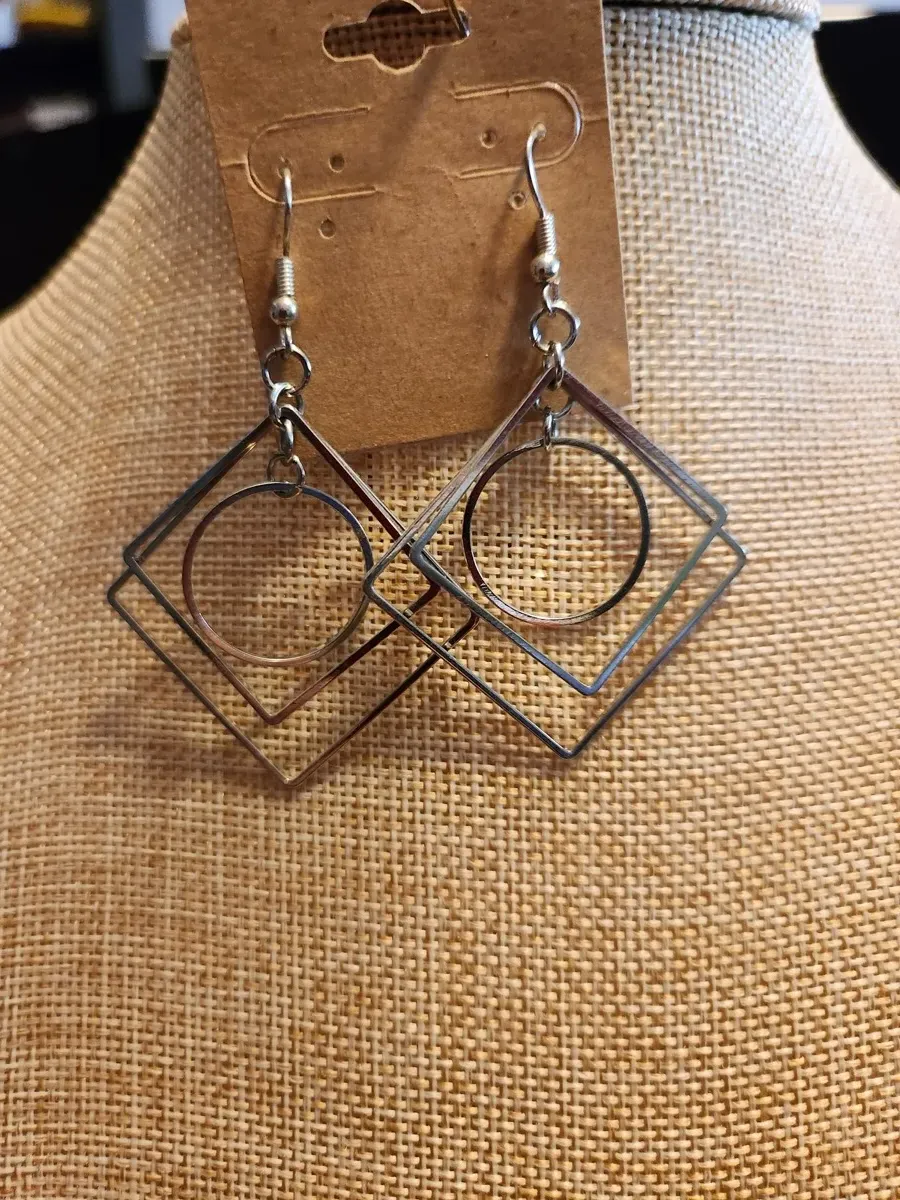
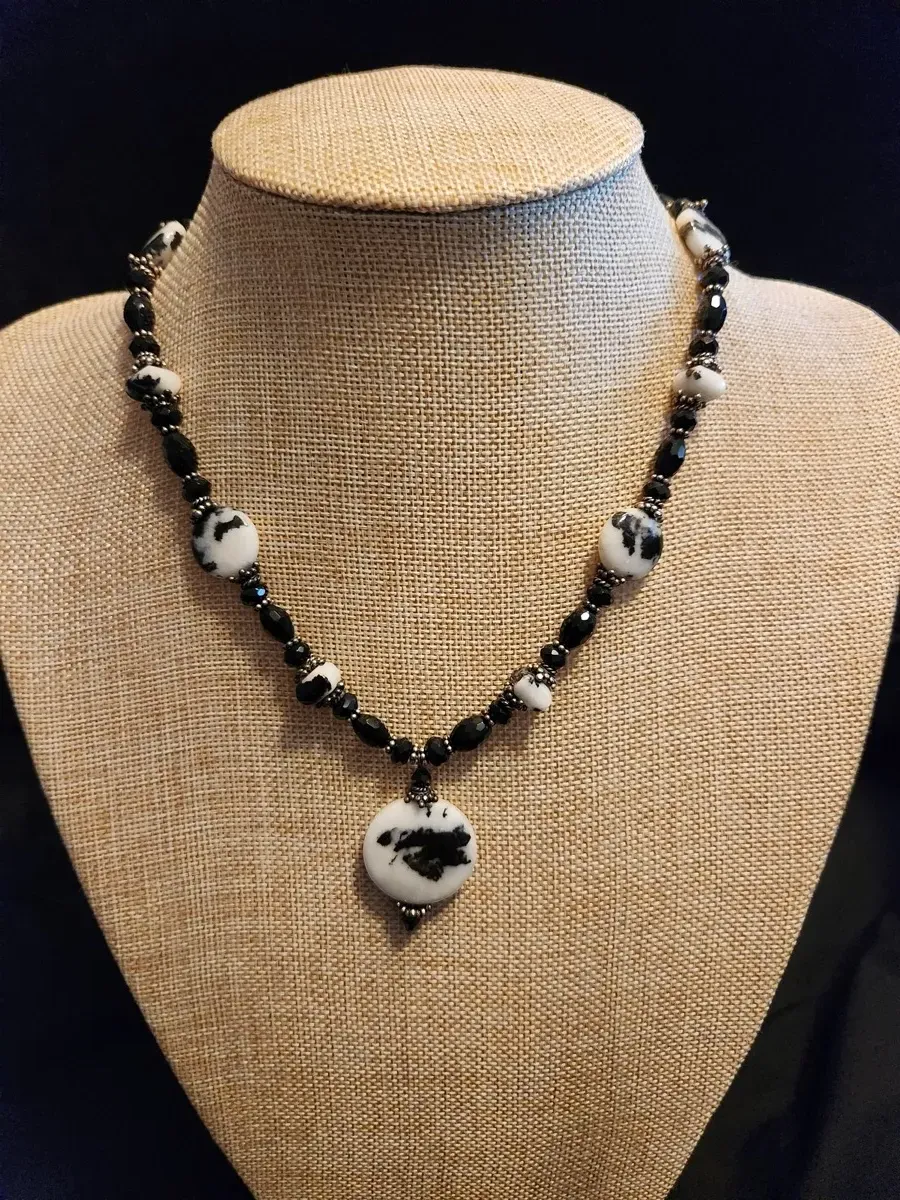
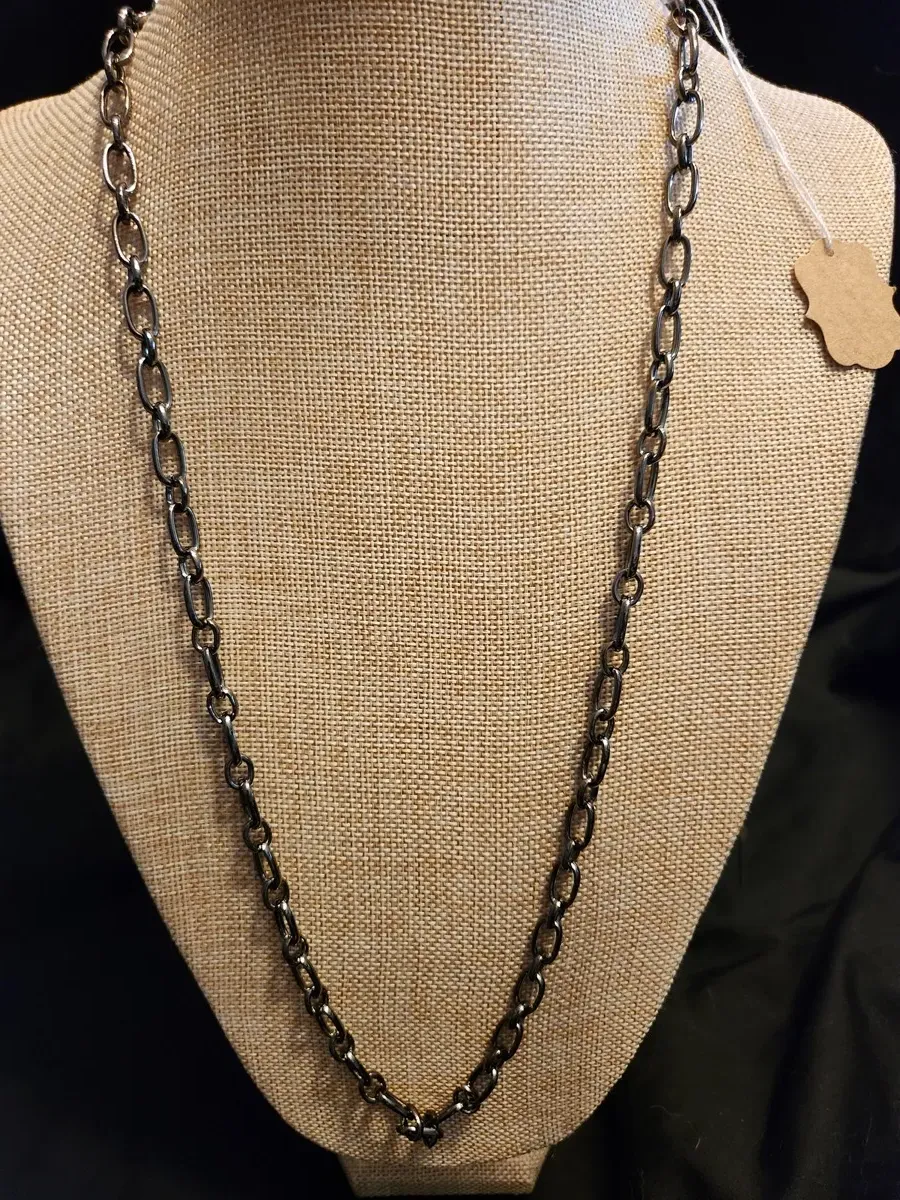
Mixed Media
Pieces that combine wire, beads, metal components, and natural elements into statement jewelry. These designs push beyond a single technique and represent the full range of the seller's skill set.
A Day in the Life
People always ask what running an artisan jewelry business actually looks like day to day. Here's the honest answer — it depends on whether it's a making day, a prep day, or a show day.
Making Days
Most of your time goes here. You sit down at your workbench with stones, wire, and beads, and you create. Some pieces take thirty minutes, others take hours. You might spend a morning wire wrapping three pendants and an afternoon stringing a multi-strand beaded necklace. Music or a podcast in the background, coffee within reach, working at your own pace. It's focused, meditative work — and when you hold up a finished piece that didn't exist an hour ago, there's a real sense of accomplishment.
Prep Days
Before a show, you need to get organized. That means tagging and pricing new pieces, organizing inventory by type and price point, packing display cases, loading the tent and tables into the vehicle, and making sure you have enough change, bags, and business cards. A good system makes this routine, not chaotic. The seller's setup process is streamlined from years of practice, and that workflow knowledge transfers with the training.
Show Days
Early morning setup — tent up, tables out, displays arranged, pieces placed for maximum visual impact. Then the gates open and people start flowing through. You greet customers, tell the story behind pieces, answer questions about materials and techniques. Some people browse and leave, some come back three times before they buy, and some pick up a piece and hand you cash before you've finished saying hello. Show days are long and tiring, but they're also when the business comes alive.
Business Days
Not every day is making or selling. Some days you're researching upcoming shows and deciding which to apply for. Ordering supplies when wire or findings run low. Following up with a boutique owner who expressed interest in wholesale. Responding to a customer who wants a custom piece for an anniversary. Updating your inventory records. It's the less glamorous side, but it's what separates a hobby from a business.
Current Status
This business is actively selling at the time of listing. Inventory is in stock, show relationships are in place, and the seller is available for a hands-on transition period that includes training on techniques, show operations, and business processes.
What "actively selling" means in practical terms: the finished jewelry inventory is stocked and show-ready — not sitting in boxes gathering dust, but organized, tagged, and ready to display. Show relationships with event organizers are current, meaning you're not cold-applying to events that have never heard of you. The tools are maintained, sharpened where applicable, and ready to use. The raw materials are organized and plentiful — you won't need to place a supply order for months after purchase.
This is not a dormant listing or a business that wound down years ago. It is operational, and the buyer can step in and start selling immediately. The transition isn't theoretical — the infrastructure is in place for you to book your first show within weeks of closing the sale.
Why This Isn't a Startup Risk
| Category | Starting From Scratch | Buying This Business |
|---|---|---|
| Finished Inventory | Months of making before your first sale | Hundreds of pieces ready to sell now |
| Raw Materials | Thousands in upfront supply costs | Full stock of stones, wire, beads, findings |
| Show Setup | Buy tent, tables, displays from scratch | Professional setup included and road-tested |
| Tools & Equipment | Figure out what you need, buy piece by piece | Complete tool collection, maintained and ready |
| Skills & Techniques | Years of trial and error to develop | Hands-on training from 12+ year veteran |
| Show Experience | Learn which shows are worth it the hard way | Decade of knowledge on what works |
| Wholesale Contacts | Cold introductions, one at a time | Existing relationships to build from |
| Time to First Sale | Weeks or months | Your very first show after purchase |
Seller Background
The seller has more than 12 years of hands-on experience building and selling artisan jewelry. She developed the techniques, sourced the materials, built the show presence, and grew the customer base from the ground up.
She got into jewelry making the way most makers do — a spark of curiosity that turned into an obsession. What started as experimenting with a few beads and some wire at the kitchen table grew into something real. She discovered wire wrapping and fell in love with the way you could take a rough, unpolished stone and turn it into something someone would treasure. The first time she sold a piece to a stranger at a show and watched them put it on with genuine delight, she knew this was more than a hobby.
Over the years, she pushed herself to learn new techniques — moving from simple bead stringing to complex wire weaving, multi-strand designs, and mixed-media pieces that combined everything she'd learned. She invested in quality tools, built relationships with stone and bead suppliers, and developed an eye for materials that would make striking finished pieces. Every show taught her something new about presentation, customer interaction, and what actually sells versus what just looks nice on a display.
She is stepping away for personal reasons — not because the business isn't working. The decision wasn't easy, and finding the right buyer matters to her. She doesn't want to see 12 years of work end up in a box in someone's garage. She wants it to go to someone who will use it, grow it, and appreciate what it took to build.
That's why training is included and why she's committed to a real transition — not a quick handoff. She's confident that the right buyer, with the right support, can take this business and make it their own. The foundation is solid. The assets are real. The craft is rewarding. What happens next is up to you.
Ready to See It in Person?
This is an asset-based sale — what you're buying is tangible. An in-person review of the inventory, tools, and show setup is encouraged before making a decision.
Serious inquiries only. South Houston area, local pickup required.
Contact the Seller